Paramedia
Introduction
The Paralympics are a regular part of sports coverage. Media attention should go beyond just inspirational stories and also highlight disabled athletes as top competitors. If para athletes get more consistent, year-round coverage, people will see them as a normal part of sports. The more often people see something, the more familiar it becomes, which can help break down stereotypes, the idea of 'supercrips,' and discrimination. This approach would help show disabled athletes more accurately and inclusively.
Addressing The Issue
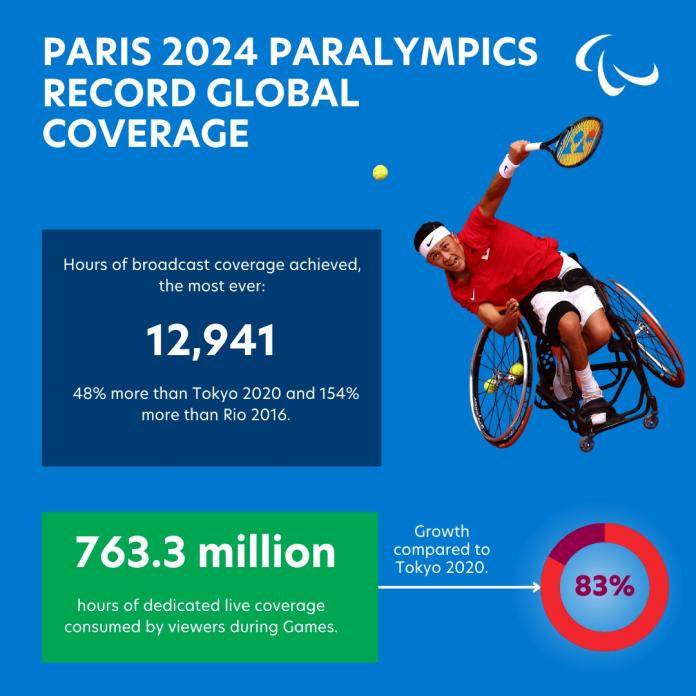
As a society, we should help people learn about less familiar topics like the Paralympics. One way to do this is by making sure Paralympic athletes get steady coverage, not just every four years. These athletes deserve attention all year, even when they are not competing. Streaming platforms should offer live coverage so people do not have to pay extra for special services. Since the Paralympics are less mainstream, it can be harder to find them on major platforms, which limits exposure. For the Paris Paralympics in 2024 it was stated by IPC that "For the first time in Paralympic history, some amount of live coverage was made available for all 22 sports at the Paris 2024 Paralympic Games. Para athletics was the sport that generated the most airtime with 1,648 hours of coverage, followed by Para swimming (860 hours), Para table tennis (615 hours), wheelchair tennis (498 hours) and wheelchair basketball (434 hours)" (IPC, 2024). This was a huge breakthrough since all sports had live coverage, with 9 of them reaching record audiences. Another way to improve coverage is to focus more on the sport itself, not just the athletes’ disabilities. Highlighting the unique rules, skills, and athleticism of these athletes, instead of only their challenges, helps avoid stereotypes like the 'supercrip' label.
It is important to look at how disabilities are shown in sports to help the industry grow in a positive way. We should focus on athletes for their skills, not just their personal stories. While it is important to recognize that some athletes have disabilities, media creators should balance this with their athletic achievements. Showing a wider range of disabilities can also highlight the diversity within this community. Educated about disabilities can help the audience see that certain stereotypes they had are normal. It is not just about telling stories it is about treating disabled people as human being in society.
Conclusion
The media has a big impact on how society sees things. If we only see the Paralympics as stories of inspiration and overcoming challenges, it can reinforce stereotypes. Instead, the media should focus on these athletes’ skills throughout the year, not just their disabilities. We should recognize them as real competitors. Fair and balanced coverage of disabilities can help reduce discrimination and promote inclusion. It is important to show that there are truly skilled athletes in the world of sports.
References
IPC. (2025, April 3). Global broadcast coverage of Paris 2024 Paralympic Games sets new benchmarks. International Paralympic Committee. https://www.paralympic.org/news/global-broadcast-coverage-paris-2024-new-benchmarks


Comments
Post a Comment